Transportation
All tourism begins not on arrival but on transportation. The flight to South Korea was a little less than 15 hours long. While this flight was quite grueling for me and my class mates, the real consequence lies in emissions produced. Our trip to Seoul generated 2.2 tons for a single passenger that amount is a little less than half of the average emissions produced by a car. There is a clear problem here, no matter how eco-friendly the activities you partake in, you’ve just spent half a year’s worth of car emissions in 15 hours. This reality is incredibly important for all tourists to understand as we continue the battle against climate change. Similarly to how we respect the culture of the country we are visiting, we also must respect the exorbitant cost of visiting.
Waste Reduction
South Korea is much more culturally reserved than American, ranging from food size to the volume at which we speak. This cultural reservation evidently helps to reduce waste. Furthermore, as tourists we produce much more waste than most locals, so any waste reduction contributes greatly to sustainable tourism.
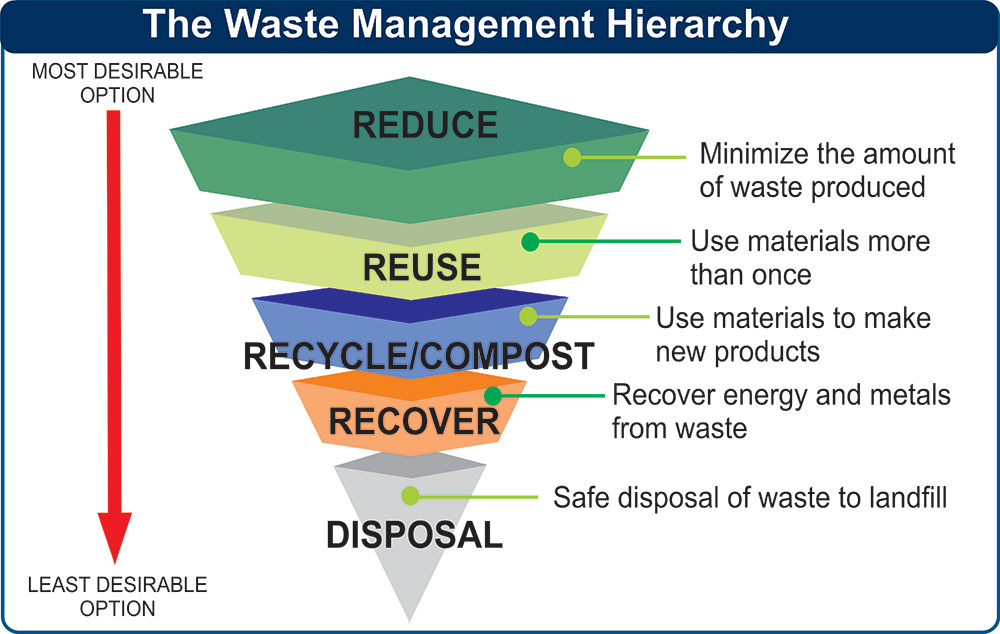
American paper towels are quite large, and usually wasteful. However, in Korea those same paper towels are quite thin and very small. Many Americans would be dissatisfied, being stripped from the comfort of large paper towels. Despite this as you continue to use these smaller towels, you realize it is exactly big enough, and if you need another one, there are plenty more. This technique(intentional or not) is used wildly in other forms. If you have ever been to a college dining hall and when dissatisfied with the amount of food, asked for more, and upon request are met with “finish that and come back”? That is a ready example of the first R; reduce. By minimizing the amount of waste produced South Korea is working to the most important R of the 4.
Trash
The trash system in South Korea is extremely unique. Instead of the standardized fee in the U.S. South Korea implements a system of paying per bag. This effort was intended to reduce waste and while it was effective, it had some unintended consequences. First, Koreans would start using public trash cans to dispose their own trash in to avoid costs. Then, due to this abuse public trash cans rapidly disappeared. This absence of the public trash can has huge impacts for the tourist, it becomes a challenge in of itself just to find a place to throw away a bottle. His exemplifies the balance of interest between sustainability and the tourists. In many places like Thailand they have chosen the interests of tourism as it supports their economy, however South Korea has chosen sustainability over not just the tourist industry but also the favor of the locals.
 South Korea Sustainable Tourism