Trash disposal is one of the unseen elements of society. There is a vast amount of time and energy to go into the proper —and many times improper— disposal of trash. From every element from the collection to the disposal is riddled with difficulties which most do not consider when simply placing the trash in the bin. In Korea the collection of trash starts early, around 4 am, to not disturb regular traffic in the day time. After collected it is either brought to a Food waste facility, burnable materials facility, or a land fill. Then contents of the trash are checked to insure that they all contain the correct category of trash. If there is a mistake the offender is banned for an increasing period of time.
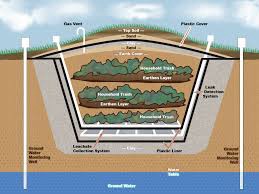
Landfill seems simple, yet they still require quite a bit of work, it’s not as simple as dumping trash in a hole. There are important environmental concerns with safely disposing the trash. To contain potential pollutants, which could seep into the water table, the bottom of the landfill is first layered with impermeable clay and then a thin layer of plastic. After a certain amount of waste has built up they repeat these layers on top of each other, while compacting the trash. However, there are more problems than high need to be addressed. Firstly, decay trash produces gas, the expansion of this gas can cause the trash to explode outward. As such, pipes are installed to redirect the gas for it to be burned for energy. The second problem is water, rainfall will seep into the land fill and pollute the surrounding water systems. To fix this pipes are installed to pump the polluted water out.
Food waste in Korea goes to facilities which churn the waste and turn it into waste compost to be used for agriculture or other activities.
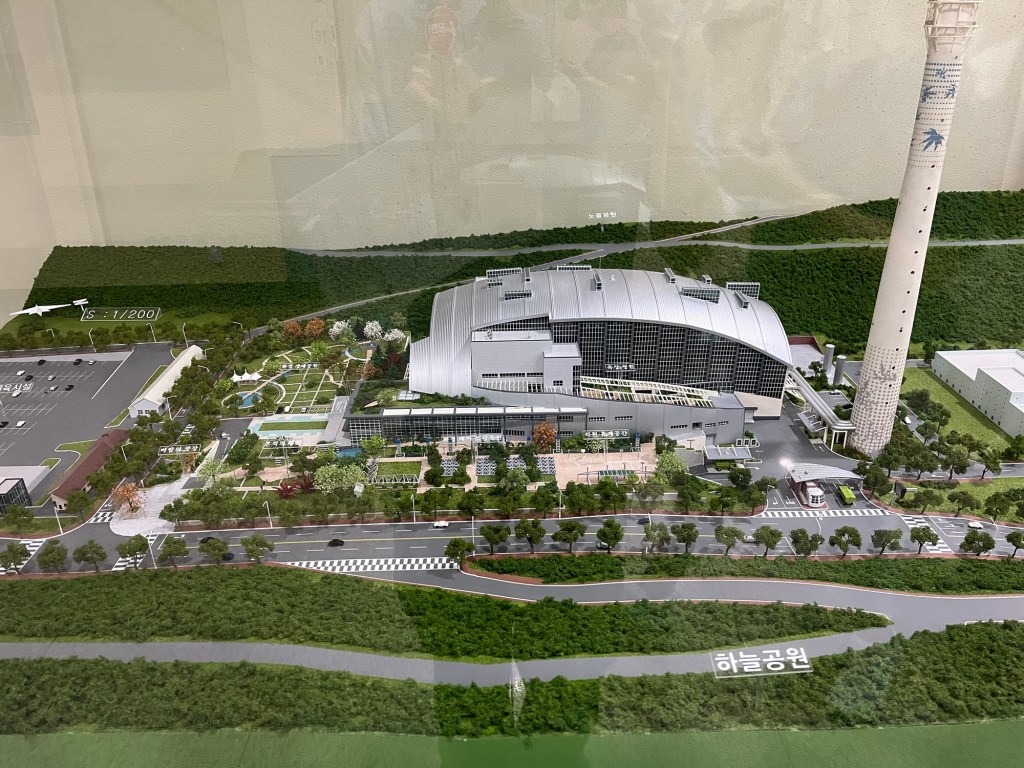
Burnable material in Seoul goes to 5 different Burning facilities in Korea to produce electricity. The Mapo Resource Recovery Facility takes in 650 tons of waste every day, yet the maximum capacity was 750 tons. This decrease is due to the age of the faculty, being built in 2005. Five of Seouls districts dispose of their burnable material in the Mapo Facilty. To ensure safety of the citizens several steps are taken to ensure air quality being 10x more strict than regulations, Additionally, the pollution produced by the facility is measured and reported to citizens every day. Most districts burn all of their burnable waste, only 2 or three need to use landfills for burnable waste. The Mapo Facility was not only used for simply waste disposal but also as an education tool. There is a children’s education area and a tour explaining the process behind the disposal.
It is incredibly important to diversity how we discard of waste, especially as burning and compositing is much more advisable compared to landfill disposal.
Why does this matter to tourists?
Tourists generate a lot more waste then most people. In places such as Thailand where the trash was left unchecked it had severe consequences on everyone. To create waste in excess is morally unjust in a country that doesn’t not have the capability to meet the trash demand. However, because Korea has proper disposal for trash and is able to reuse burnable and food waste, the guilt is lessened. It’s important to mention Seoul produces 10,000 tons of trash every day, and where they are strong in disposal, they are weak in reduction.
 South Korea Sustainable Tourism